In daily life, many people have probably experienced this: after enjoying a delicious meal, they begin to feel bloated and uncomfortable, sometimes even accompanied by a dull ache. When this happens frequently, people often immediately wonder if there is a problem with their digestive system.However, in many cases, this discomfort does not stem from organic diseases but may be closely related to certain unconscious habits we develop after meals. If we can understand and adjust these habits to create a more harmonious environment for the digestive system, many post-meal discomforts may be easily resolved. Below are eight things to avoid after a hearty meal, for your reference.

If you drink a large amount of liquid—whether water or soup—immediately after a meal, that liquid will mix with the food in your stomach. This not only dilutes the concentration of stomach acid, weakening its initial digestive power, but also slows down the rate at which stomach contents are emptied into the intestines, making the entire digestive process lengthy and inefficient.In this situation, food remains in the stomach for too long, which can easily lead to gas production, causing bloating and indigestion. It is best to wait at least half an hour to an hour after finishing a meal before drinking a moderate amount of water.
Cold foods such as ice water and ice cream are significantly colder than the body’s normal physiological temperature. When the stomach is empty, this cold stimulus alone is sufficient to cause contractions of the gastrointestinal smooth muscles. However, when the stomach is full of food awaiting digestion and is then exposed to cold foods or beverages, it may trigger more intense and irregular gastrointestinal peristalsis.These sudden contractions and spasms can easily lead to the accumulation of gas in the gastrointestinal tract, which in turn causes bloating and abdominal pain and disrupts the normal digestive rhythm. Therefore, to maintain stable gastrointestinal function, you should avoid consuming cold foods immediately after a meal.
Fruits are primarily composed of fructose, glucose, and fiber, and are generally digested and absorbed more quickly than staple foods and meats, which are rich in starch, protein, and fat.If you eat fruit immediately after a large meal, these rapidly digestible sugars and fiber cannot move smoothly into the intestines because they are blocked by the “main force” (staple foods and meat) ahead of them, forcing them to remain in the warm, moist environment of the stomach.After a short while, this stagnant fruit may begin to ferment, producing organic acids and gases, which can lead to bloating, belching, and even diarrhea, while also interfering with the normal absorption of other nutrients. The ideal time to eat fruit is one hour before a meal or about two hours after a meal.
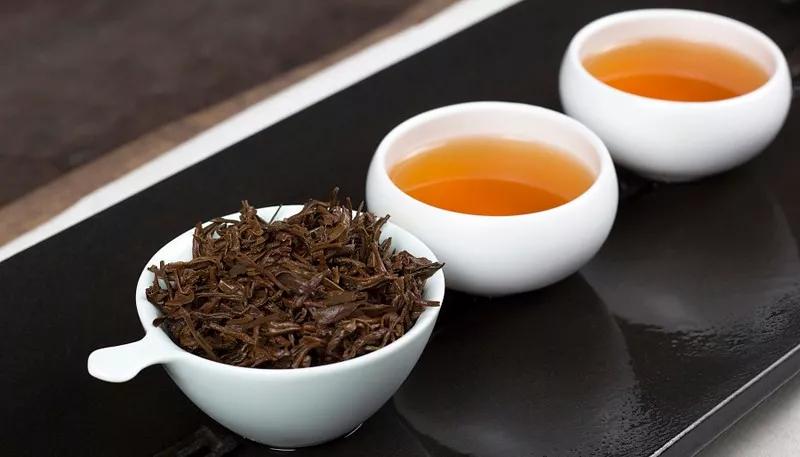
For many people who enjoy drinking tea, a cup of tea after a meal is a great pleasure in life. However, from a digestive standpoint, drinking large amounts of tea immediately after a meal—especially strong tea—is not a wise choice. The intake of tea dilutes the digestive juices in the stomach, thereby affecting digestive efficiency.More importantly, tea leaves contain relatively high levels of tannic acid, a substance that readily binds with proteins in food to form tannic acid-protein precipitates that are difficult for the body to break down. This not only increases the workload on the digestive system but may also lead to abdominal bloating and discomfort. Therefore, if you wish to enjoy the aroma and flavor of tea, it is recommended to wait one to two hours after a meal before drinking it to minimize interference with the digestive process.

Some people are in the habit of using the increased gastrointestinal motility after meals as an opportunity to have a bowel movement. However, the act of defecation itself requires holding one’s breath and contracting the abdominal muscles, which causes a sudden increase in intrathoracic pressure. This temporarily affects cardiac blood return and output, leading to fluctuations in blood pressure—a phenomenon medically known as the “Valsalva maneuver.”At the same time, the stomach—which bears the heavy burden of digestion—requires an adequate blood supply to function efficiently. The hemodynamic changes caused by straining during a bowel movement may temporarily reduce blood flow to the stomach, thereby irritating the stomach lining and causing discomfort or pain. Developing a regular bowel movement routine—ideally scheduling it before meals or during more relaxed periods—is more beneficial for maintaining gastrointestinal health.
After a meal, many people are in the habit of sitting down immediately to rest, or even lying down for a short nap when drowsiness sets in. However, sitting for long periods—especially in a hunched position—can cause abdominal tissues to exert pressure on the stomach, which hinders normal gastrointestinal motility and emptying. Lying down immediately, moreover, alters the effects of gravity, making it easier for stomach acid to reflux into the esophagus and cause discomfort.In contrast, taking a gentle ten-minute walk after a meal can effectively promote mild activity in the abdominal muscles, helping to stimulate intestinal peristalsis and accelerate the digestive process. Additionally, incorporating regular exercise—such as thirty minutes a day—into your daily routine is an important way to fundamentally strengthen gastrointestinal function and improve digestive efficiency.
Singing—especially high-pitched singing that requires abdominal strength—shares physiological similarities with straining during a bowel movement. When we strain to produce sound, pressure in the chest and abdominal cavities increases. This not only may physically compress the nearby stomach but may also temporarily reduce blood flow to the digestive system.After a meal, the gastrointestinal tract is in an active state that requires an adequate blood supply to carry out the digestive process. Engaging in singing activities that require excessive exertion at this time will undoubtedly interfere with this process and may lead to indigestion. Therefore, it is recommended to allow both the vocal cords and the gastrointestinal tract to remain in a relatively relaxed state for at least two hours after a meal.
After eating, the human body activates a complex neurohumoral regulatory mechanism that prioritizes the allocation of a larger volume of blood to the vascular network of the gastrointestinal tract to support digestion and nutrient absorption. This is a highly efficient process of energy and resource allocation. However, if a person takes a bath immediately after eating—especially a hot bath with high water temperature—the blood vessels on the skin’s surface will dilate due to thermal stimulation, drawing a large amount of blood to the body’s surface.This “diversion” of blood flow results in a relative decrease in the blood supply to the digestive system, thereby inhibiting gastrointestinal digestive function and potentially leading to post-meal abdominal bloating, indigestion, and other issues. Generally, it is recommended to wait at least one hour after a meal—until the peak digestive period has passed—before taking a shower. As for baths that require prolonged soaking, these should be postponed even further to ensure the digestive process remains undisturbed.

In summary, many symptoms of indigestion—such as bloating and abdominal pain—that occur after meals are often not caused by complex medical conditions, but rather by subtle habits hidden in our daily lives. From drinking water immediately after a meal or eating cold treats to behaviors like sitting for long periods or taking a bath, these seemingly ordinary actions may inadvertently disrupt the delicate rhythm of the digestive system.By recognizing and adjusting these post-meal habits to avoid, we are effectively creating an internal environment that is more conducive to food digestion and nutrient absorption. Developing good post-meal habits not only effectively prevents and alleviates immediate gastrointestinal discomfort but also serves as a proactive investment in long-term digestive health. Only by carefully listening to the signals our bodies send and responding in a gentle, science-based manner can we truly enjoy the satisfaction and pleasure that each meal brings.